When conversations about climate change happen, they often focus on global temperatures,
international agreements, and emissions targets. Yet in communities across Enugu State, climate
change is experienced differently. It is seen in the farmer whose planting season no longer
follows familiar patterns. It is felt by women who travel farther to access water during prolonged
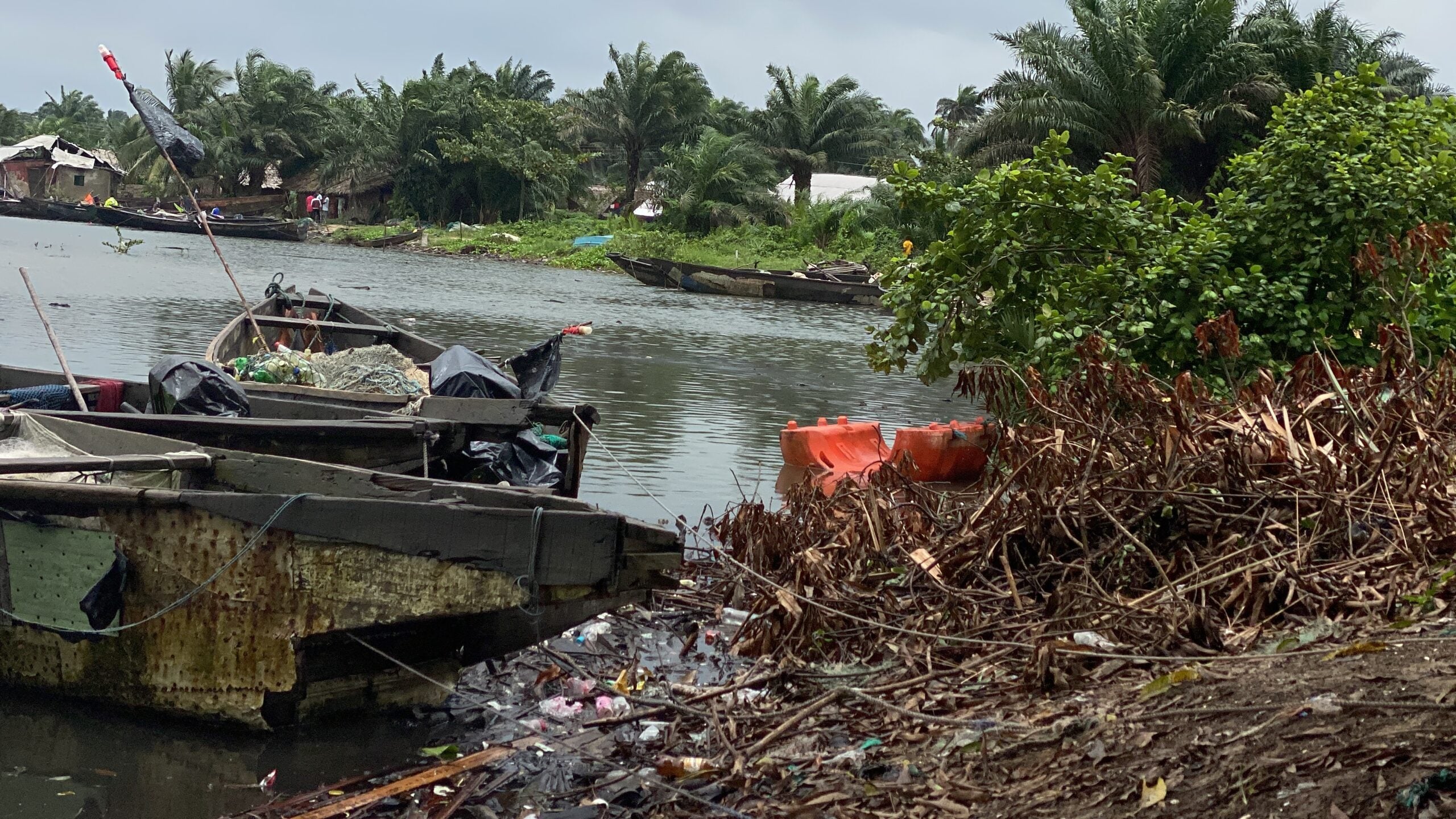
dry periods. It is evident in communities where heavy rainfall washes away roads and damages
homes.
For many communities in Enugu State, climate change is not a future threat. It is already
reshaping livelihoods and daily life. But another story is also emerging. Communities are
responding.
Across Enugu, local leaders, young people, women, and community groups are finding practical
ways to adapt and strengthen their resilience. Farmers are adopting new approaches to managing
soil and water. Communities are organizing around environmental protection initiatives. Young
people are increasingly participating in conversations about sustainability and environmental
stewardship.
Climate resilience begins long before disasters occur. It starts with communities having the
information, skills, and resources necessary to prepare, adapt, and recover.
At The People’s Project for Social and Climate Justice, we believe that climate action is most
effective when it is locally led. Communities understand their challenges better than anyone else.
They know which streams flood during heavy rains, which roads become inaccessible, and
which families are most vulnerable during periods of environmental stress. Effective solutions
therefore cannot simply be imported. They must be developed with communities and driven by
communities.
This approach is what we mean by climate justice.
Climate justice recognizes that environmental challenges do not affect everyone equally. Women,
children, persons with disabilities, and low-income communities often bear the greatest burden
despite contributing the least to the problem. Climate action must therefore be rooted in equity,
participation, and inclusion.
Our work focuses on helping communities move from vulnerability to preparedness. This means
strengthening local leadership, supporting community-driven solutions, promoting
environmental education, and creating spaces where citizens can participate in decisions that
affect their lives and environment.
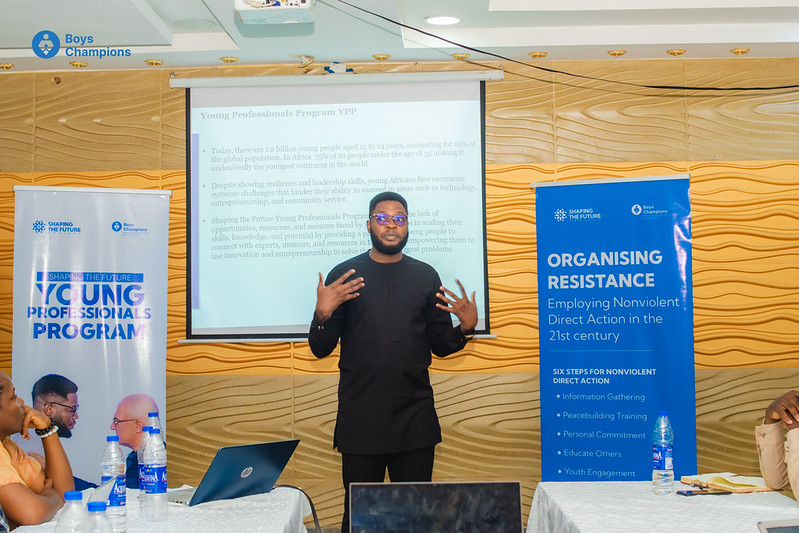
Young people have an especially important role to play. Across Nigeria, they are already leading
conversations on sustainability, innovation, and community organizing. Their energy, creativity,
and willingness to challenge old ways of thinking are essential to building resilient communities.
Climate resilience is not only about protecting the environment. It is about protecting people. It
is about ensuring that communities can continue to farm, children can continue to attend school,
families can maintain their livelihoods, and future generations inherit communities that are safer
and more sustainable.
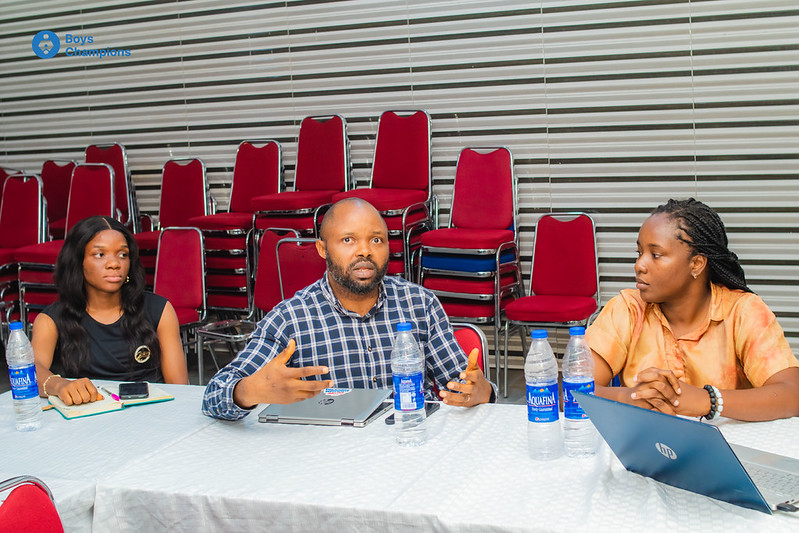
The communities of Enugu State remind us that resilience is not built in conference rooms alone.
It is built in villages, schools, town halls, and neighborhoods where ordinary people choose to
work together despite uncertainty.
Climate change may be global, but resilience is profoundly local. The future of climate action in
Nigeria depends on our ability to support and invest in communities that are already showing us
what adaptation and resilience look like in practice.